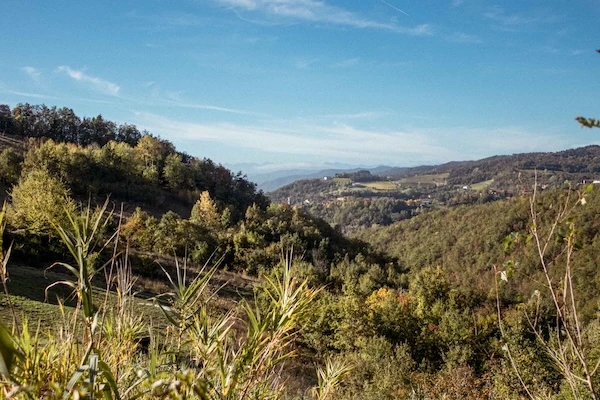
Ayurveda does not believe the body is constant across the year. Neither, it turns out, does Piemonte. Both traditions are built on the understanding that what the world is doing outside changes what the body needs inside.
This page is a practical guide to visiting VEDA at any time of year, and to understanding what each season brings to both the landscape around Borgo Isolabella and the Ayurvedic practice within it. Poonam calibrates every booking to the season of the visit. The treatments, the oils, the rhythm of the sessions โ everything shifts with the season.
Spring in Ayurveda is the season of Kapha's release. Through the winter, the body accumulates โ heaviness, moisture, the biological equivalent of the earth holding its reserves against the cold. When the warmth returns, that accumulation needs to move. Kapha, if it stagnates, produces a particular kind of lethargy: the body that wants to keep sleeping even as the light lengthens, the digestion that has grown sluggish, the sinuses that remember every cold of the winter.
The Ayurvedic spring prescription is gentle, consistent movement โ of the body, of the lymph, of the digestive fire. This is the season for Udvartana, the dry herbal powder massage that works against the grain of accumulation; for lighter eating, more bitter and astringent tastes; for the Nasya nasal treatment that clears the channels the winter left congested. The digestive fire needs rekindling after winter's richness. The body is ready to be lighter. The practice supports that.
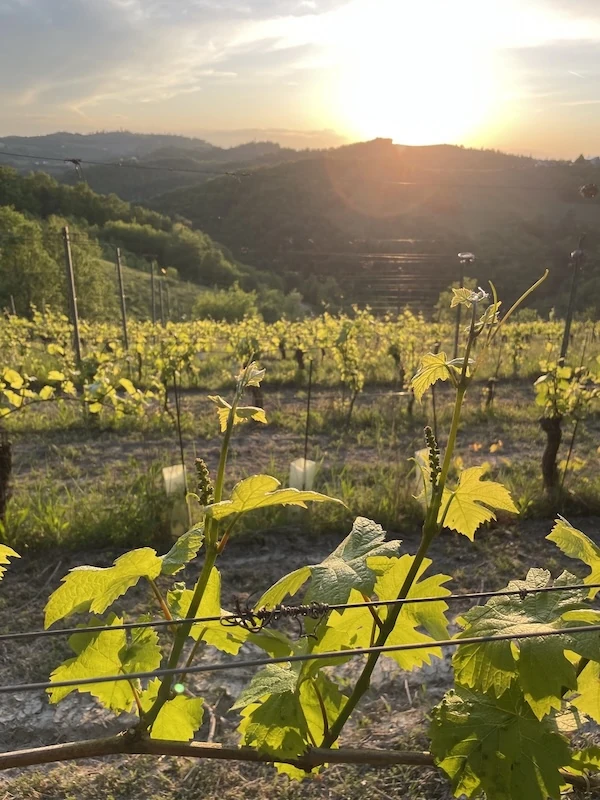
In the vineyards of Borgo Isolabella, spring is the season of maximum vigilance and quiet excitement. Bud-break โ the first tentative green emerging from the pruned canes โ arrives in late March or early April, and with it the vignaiolo's full attention. Frost is still a risk. The shoots are fragile. The whole season's work hangs on these weeks.
By May, the vineyard is visibly alive: leaves unfurled, the first flower clusters forming on the Moscato and Barbera vines. The landscape changes almost visibly from week to week. Walks through the estate in spring are walks through a process of becoming โ appropriate, Poonam notes, for a season when the body is doing much the same.
Start the day with warm water and a teaspoon of honey before breakfast. Favour bitter greens, lentils, light grains. Reduce dairy and heavy, sweet foods. Move more than you did in winter โ even a 20-minute walk in the morning light changes everything. This is the season to shed, not to accumulate.
Summer is Pitta's domain โ fire, intensity, heat. The sun is high, the days are long, and the body's own metabolic fire is paradoxically at its most vulnerable: exposed to ambient heat from outside, it tends to compensate by reducing its own digestive strength. The result, if the season is not managed well, is a paradox: a hot body that cannot digest properly, that becomes reactive, impatient, easily inflamed.
The Ayurvedic summer recommendations are cooling, calming, and moderating. Shirodhara โ the continuous thread of warm oil on the forehead โ is not the obvious summer treatment, but it is one of the most effective: it directly addresses the Pitta tendency toward overstimulation of the mind, the sense that the mental fire is running too hot. Netra Tarpana, the ghee eye treatment, addresses the summer's particular assault on the eyes โ the brightness, the screen time, the accumulated dryness. Nasya with cooling oils refreshes the senses. The general principle: less is more. A summer session at VEDA tends to be quieter and more restorative than any other season.
Summer in the Langhe is warm and dry, the air still by midday, the hills shimmering. In the vineyard, this is the period of the vine's greatest exertion: the grapes are forming and growing, the plant drawing on its reserves to fill them with the water and sugars that will determine the vintage's character. The vignaiolo watches and waits, managing the canopy to let the right amount of light reach the clusters, walking the rows at dawn before the heat builds.
The infinity pool at Borgo Isolabella becomes its own element in summer โ the water reflecting the sky, the hills in every direction, the particular silence of a Piemontese afternoon in July. Summer visits naturally organise themselves differently: earlier starts, the long midday pause, gentle afternoon sessions. The landscape teaches its own Ayurvedic lesson.
Favour cool, slightly sweet, hydrating foods โ rice, milk, coconut, cucumber, ripe seasonal fruit. Eat the largest meal at midday when the sun is at its peak and your digestive fire is at its relative strongest. Avoid ice-cold drinks (they shock the digestive system). Be in water when you can. Practise at dawn or dusk; the middle of the day is for rest.
Autumn is the most complex and most consequential season in Ayurveda's calendar. It is the season of Vata โ the dosha of air and movement โ whose natural increase in the environment brings a particular quality of dryness, dispersal, and instability. The body, having expanded through summer's heat, now faces the instruction to contract, to gather its energies inward, to prepare for the long stillness of winter.
If that transition is not supported โ if we continue living at summer's pace as the light shortens and the air grows dry โ the consequences are characteristic: disturbed sleep, anxious thinking, dry skin, digestive irregularity, the sense of being scattered across too many things at once. These are not separate symptoms; they are the single signature of accumulated, unmanaged Vata.
The autumn practice at VEDA is the most comprehensive of the year. Abhyanga with warming sesame oil is the central treatment โ long, slow, deeply grounding strokes that directly counteract Vata's tendency toward dispersion. Pinda Sveda, the warm herbal bolus treatment, provides the nourishing heat that the tissues crave as the temperature drops. Shirodhara settles the mind. The full-body attention of a multi-day programme in autumn produces something that single sessions in other seasons approach but rarely reach: a genuine recalibration of the nervous system's baseline.
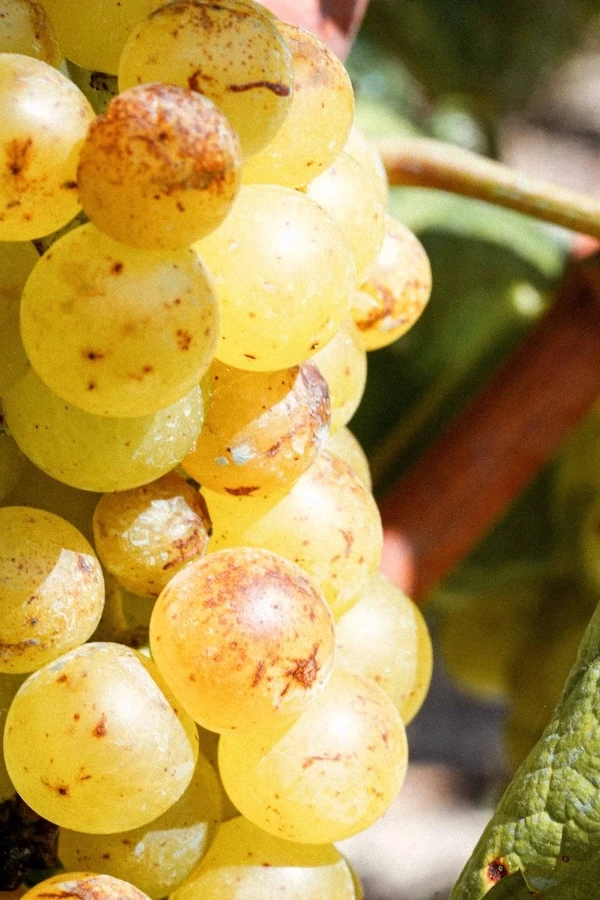
Autumn is everything in the Langhe. The vendemmia โ the harvest โ defines the season more completely than any calendar date. In September, Borgo Isolabella comes alive with the organised urgency of harvest: early starts, the particular smell of fermenting must in the cantina, the concentration of a year's work being gathered in the space of a few weeks.
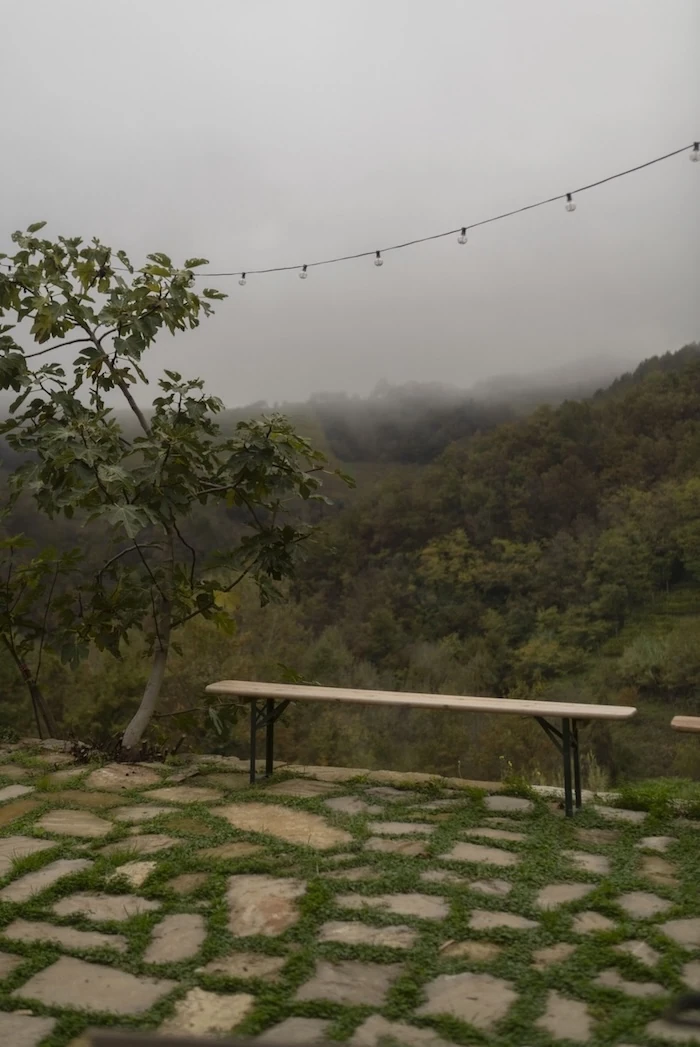
By October, the vineyard begins its withdrawal. The leaves turn amber and ochre along the rows. The must is fermenting in the cellar, slowly becoming wine. The hills are hazy with morning fog โ the nebbia that gave the Nebbiolo grape its name โ and the light has that particular late-season quality, amber and considered, that Piedmontese painters have been trying to capture for centuries.
Autumn is the season of the white truffle. The Fiera del Tartufo in Alba is less than an hour from Loazzolo. The great Barolo and Barbaresco estates are at their most hospitable, their cantinas open for tasting and the vintages of previous years finally showing what they were always going to become.
Establish a consistent daily rhythm above all else โ Vata is destabilised by irregularity more than by anything. Same sleep and wake time. Warm, cooked, moist foods: soups, stews, root vegetables, warming spices. Reduce raw and cold foods. Warm sesame oil self-massage (abhyanga) before your morning shower โ even five minutes makes a significant difference to how the day sits in the body. Come to Loazzolo if you can; the vendemmia is one of the great sensory experiences of the year, and Poonam's autumn programme is the strongest of all four seasons.
Winter is the season of Kapha's return โ earth and water, heaviness and stillness and the deep nourishment that the body has been preparing for since the harvest ended. In Ayurveda, winter is not a season of deprivation but of concentrated richness: the digestive fire is at its annual peak (the cold draws heat inward), which means the body can process what it cannot easily handle in summer. Richer foods, warming spices, the heavier oils โ all of these are appropriate and supportive in winter.
The Ayurvedic winter prescription is rest, warmth, depth, and the particular pleasure of turning inward. Pinda Sveda โ the warm herbal bolus treatment โ is the winter treatment par excellence: penetrating warmth that moves through the tissues and settles into the joints with the quality of a particularly good fire. Abhyanga with the heaviest, most nourishing oils. Shirodhara for the quality of introspection that winter naturally invites. The Full Lifestyle Plan, in winter, tends to become a genuine conversation about the following year โ what the body needs to build during the cold months to be ready for the spring's release.
Winter in Loazzolo is quiet in a way that is unusual in Europe. The vines are bare, pruned back to their essential architecture. The cellar is where the life is โ barrels working slowly, the wines of the harvest now beginning their long process of becoming. The landscape is reduced to its structure: the curves of the hills, the lines of the rows, the shapes that were invisible under all that summer foliage.
There is something clarifying about the winter Langhe. The fog that sits in the valleys in November and December gives way, on clear days, to a visibility that extends all the way to the Alps โ the entire arc of the western range visible from the higher points of the estate, snow-covered and improbably close. The wines of Piemonte reach into the cellar: the great Barolos and Barbarescos that have been ageing for years, the Barbera that has been softened and deepened by time in oak, the Moscato passito of Loazzolo itself, late-harvest and amber and tasting of everything the autumn sun concentrated into the last fruit on the vine.
Eat warmly and generously โ this is not the season for restriction. Favour root vegetables, legumes, grains, slow-cooked dishes with plenty of warming spices: ginger, cinnamon, black pepper, clove. Go to sleep early; the long nights are an invitation, not a deprivation. Move consistently but without intensity โ daily walks in the cold air stoke the digestive fire and prevent Kapha from stagnating into lethargy. A winter visit to Borgo Isolabella, with a full Pinda Sveda and an evening of aged Barolo by the fire, is its own argument for the season.
If you know which season you will be here, Poonam can begin the preparation before you arrive โ a brief questionnaire sent in advance allows her to select oils, plan the sequence, and have everything ready for your first session.
Multi-day programmes are available in all seasons. The Mezza Giornata di Equilibrio โ combining Dosha Consultation, Abhyanga, vineyard walk, and curated wine tasting โ is bookable year-round, with the vineyard walk and wine selection varying to reflect the season.